What Master P Can Teach Us About Getting Your Game Funded | The Vertical Slice Meta Part 2
This is part 2 of a series on the vertical slice meta, if you haven’t read part 1, I’d recommend you start there – link here.
Okay, so let’s say you do all those things we talk about in Part 1. The game is humming and it’s exactly what you want it to be at 1.0. Hell yeah. Now let’s talk about the final piece: The Master P Theory.
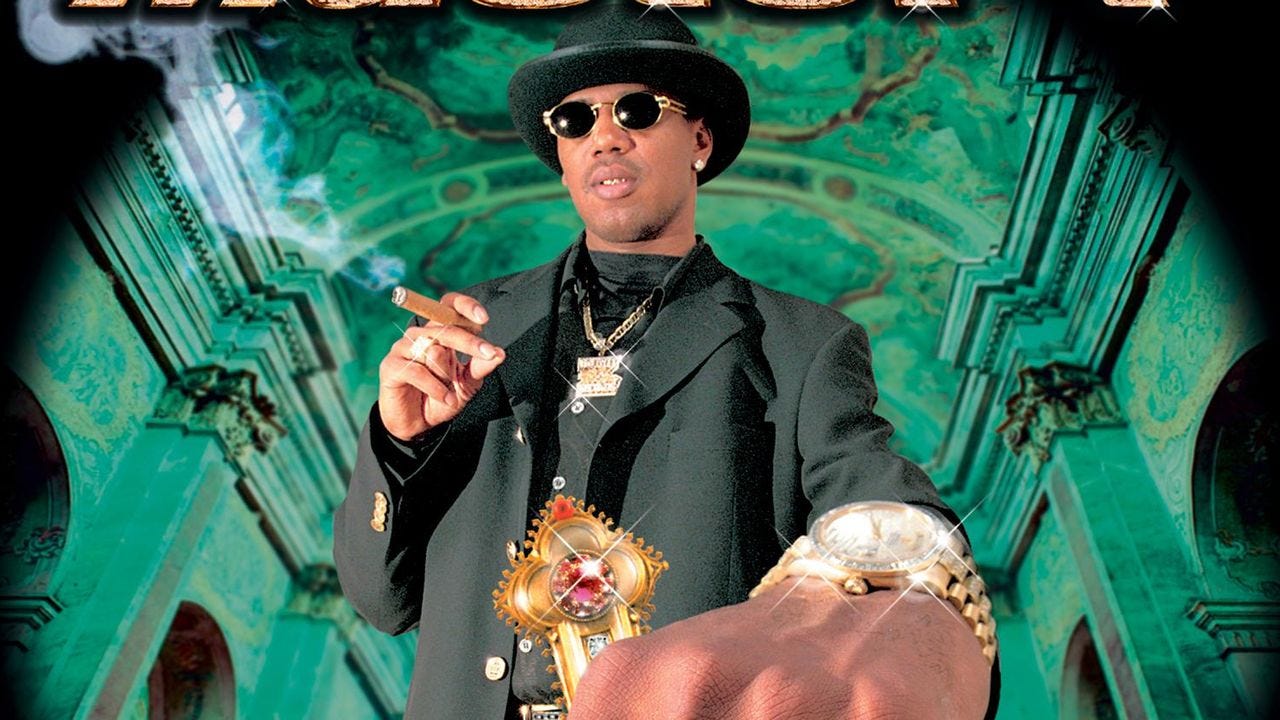
If you’re not familiar with Master P, he, in my opinion, was one of “the” artists from our time. Most of the songs do not make sense to little ol me, but I think everyone looking to get a game financed pre-announcement could learn something from Mr. Miller today.
Master P is best known for his 1997 platinum single, “Make ‘Em Say Uhh!” which is the expression Mr. Miller yells for his opponents (opps) to respect him and his “No Limit Crew.”
In this gaming context, I don’t think you need to yell any certain phrase to get a deal.
But I do think you need to make them say “uhh.”
How did we get here?
Like your favorite YouTuber padding their watch time, I want to walk you through some history on how we got to the new meta. Feel free to skip to “Make Them Remember” if you already know the prototype-to-vertical-slice story but I think this helps contextualize where we are now.
In the (good)old days, pre-2018, you could get financing from traditional 3rd party publishers with very little to show.
Think like actual prototypes, full Greybox environments, placeholder characters, one core mechanic barely functional. The pitch was simple: “Here’s the idea. Trust us to build it.”
And they did trust you, especially if you had pedigree. The prototype was just proof of concept, proof you understood the vision. Publishers had the imagination to see where it could go.
Why did this work? Three main reasons:
-
Fewer developers meant less competition for the same money. Game dev tools were harder to use, barriers to entry were higher, so the pool of people pitching was smaller.
-
Cheap debt meant publishers could take risks. When money is basically free, you can afford to bet on potential. Fund X number of prototypes, hope Y work out.
-
Everyone’s bar was lower. If all the other pitches coming in were also rough prototypes, publishers couldn’t be as picky.
What Killed the Old Way
Fast forward to around 2022.
Picture this – game making barriers are becoming lower and lower so you have more and more devs piling in.
Game making barriers kept dropping. More and more devs are getting into the arena. More and more greats are walking through that game development door. Developers at established studios were planning to leave (or getting laid off) and seeing those crazy 2021 fundraising numbers, thinking “I can do this too.” Then the layoffs accelerated. Experienced devs kept flooding the market.
At the same time, interest rates climbed. Debt got expensive. Every dollar a publisher spent needed to justify itself with higher returns. Gamepass deals that backstopped a lot of the risks for a game’s forecast, started to dry up.
Publishers started seeing more and more pitches that were closer to completion, and some closer and closer to a vertical slice state. Those old prototypes became “This is too rough. We can’t tell if you can actually deliver.”
Developers listened. They went back, polished more, showed more complete games. And when those developers pushed further on their own dime, they got funded.
Which created a problem for everyone else. Once publishers saw they could get more polished pitches, they stopped accepting less. The bar moved – permanently.
Welcome to the Vertical Slice Era
Where the bar is high, and competition is cutthroat.
If you can take one thing from this entire piece, take this : treat the vertical slice as an actual vertical slice. The closer you are to that paradigm, the better you’ll be.
Like the honey badger, publishers, unfortunately, do not give a shit. Remember, there is no penalty for them saying no.

The person evaluating your game most likely will not be held accountable for not saying “yes” to your 2d platformer even if it blows up to be the next big thing.
I do want to be clear – I do think this is unfair. There is a large burden on game developers today to execute for potentially little to no payoff. I’ll admit I’m biased here, but I genuinely believe that if representation had been more widespread, developers wouldn’t have quietly accepted so many one sided deals, and the bar wouldn’t have shifted as sharply as it did.
I also want to flag that we hear developers push back on this. “It’s too much work that we’ll have to throw away for a pitch.” “Publishers should be able to see potential.”
To quote legendary Celtics general manager Rick Pitino – “Larry Bird is not walking through that door, folks” The old days of getting funded with rough prototypes and no traction? They’re not walking through that door either.
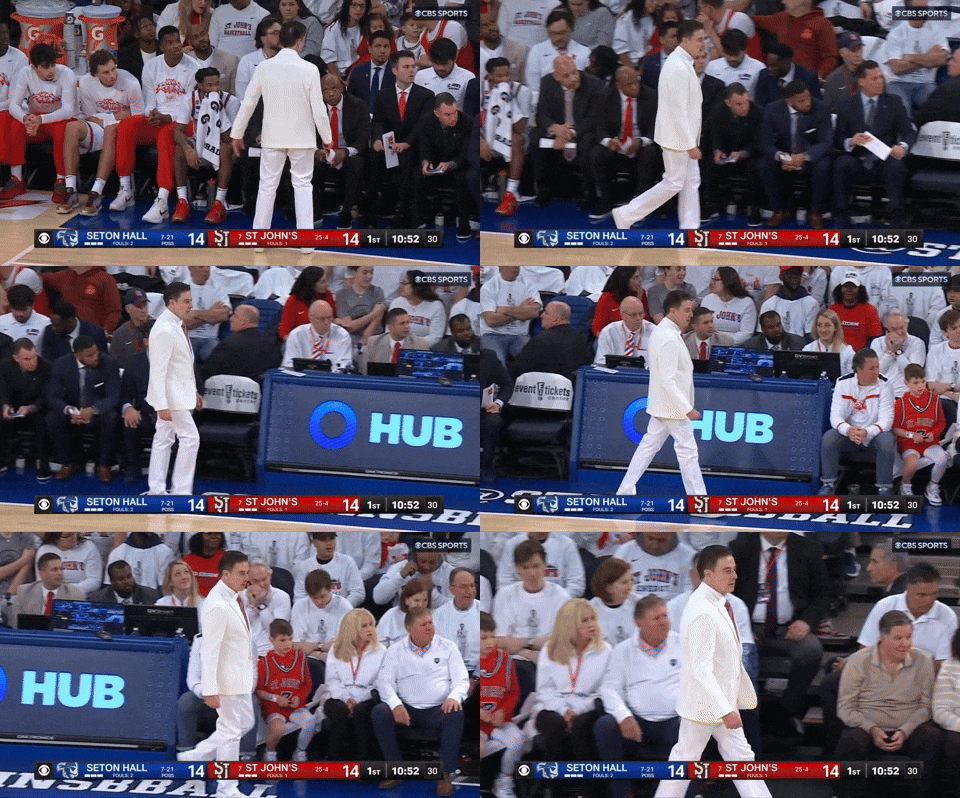
Quite frankly, I think publishers should be able to see potential. But they don’t have to as there is no penalty for passing.
The reality is you might not want to do this, but your competition is, and actively building vertical slices right now. There’s a fixed amount of publisher money out there. You’re competing with 100 other pitches in their inbox this week so your job is to box the other folks out. You do that by following part 1 and maybe adjusting your vertical slice in line with the “Master P Theory.”
Emotion: Make Them Remember –
Games and entertainment, I believe, are emotional response vehicles. When I feel happy, I turn on Go West. When I’m sad, I also turn on Go West (Only me? Do yourself a favor and go listen to their self titled debut. It’s peak 80’s. Spotify link here)

But I think games are the same, we play to feel something. Your job is to execute on that paradigm as sharply as you can.
If your slice can make them laugh, tear up, or say “holy shit,” you’ve done your job or as our main man Percy Miller says, you made “em say “uhh.” It’s that involuntary reaction when something catches you off guard. When a publisher or evaluator is going through their 30th pitch of the week on autopilot and suddenly they sit up in their chair. That’s the “uhh” moment. This can be a set piece, a mechanic, or anything that makes your game make someone say “holy shit.”
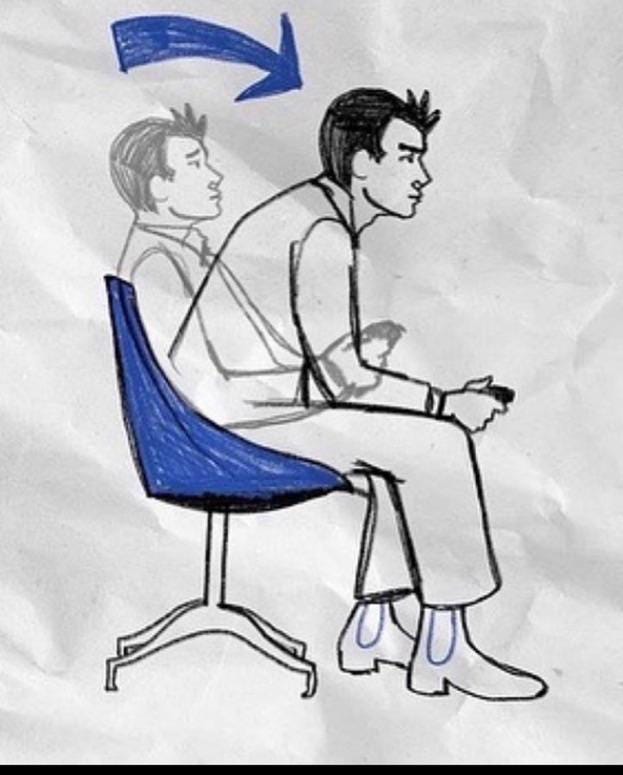
Here’s what “uhh” moments actually look like in vertical slices we’ve seen recently:
-
A 60’s inspired space puzzle game where after helping the main character uncover a government conspiracy, she decides to jump off a tower to her death instead of getting caught. I wasn’t expecting a puzzle game to go that dark, that suddenly. Woah.
-
Massive spider bot boss battle in a spectacle fighter with Japanese rock blaring, the music adjusting to each attack the spider does. The sync between gameplay and audio made it feel like you were conducting a concert while fighting for your life.
-
A city builder/tower defense hybrid where you have a really solid core city builder and then the weather turns, a horn sounds, and an entire horde (as large as your screen is wide) comes and attacks your city. The shift from calm planning to desperate defense proved both systems worked. Gif below of that actual moment:

Timing Your “Uhh”
There’s some art to that “uhh” or “holy shit” moment – do you do it at the end? The beginning? I’d recommend the latter, the earlier you can show that ability, the more leeway you have throughout the entire build.
Earning Each Minute
The person evaluating your game doesn’t owe you anything. Something we tell our clients: you have to earn each minute they play.
Picture this – they are playing 30+ builds a week. It quickly becomes a grind – with some being competent, others functional but a lot being not good.
The games that get deals are the ones where the evaluator finishes the slice and immediately messages their team saying “you need to see this.”
You earn that by:
-
Showing mastery of production values (everything we talked about in part 1)
-
Delivering “uhh” moments that prove your game is special (shouts out to Master P)
-
Making them feel something they weren’t expecting to feel
Show cinematic moments, wild gameplay moments, emotional beats, jaw dropping set pieces that capture what your game is really about. Show what only you and your studio could create.
But most importantly, show it early. Make them say “uhh” before they have a chance to get bored.